
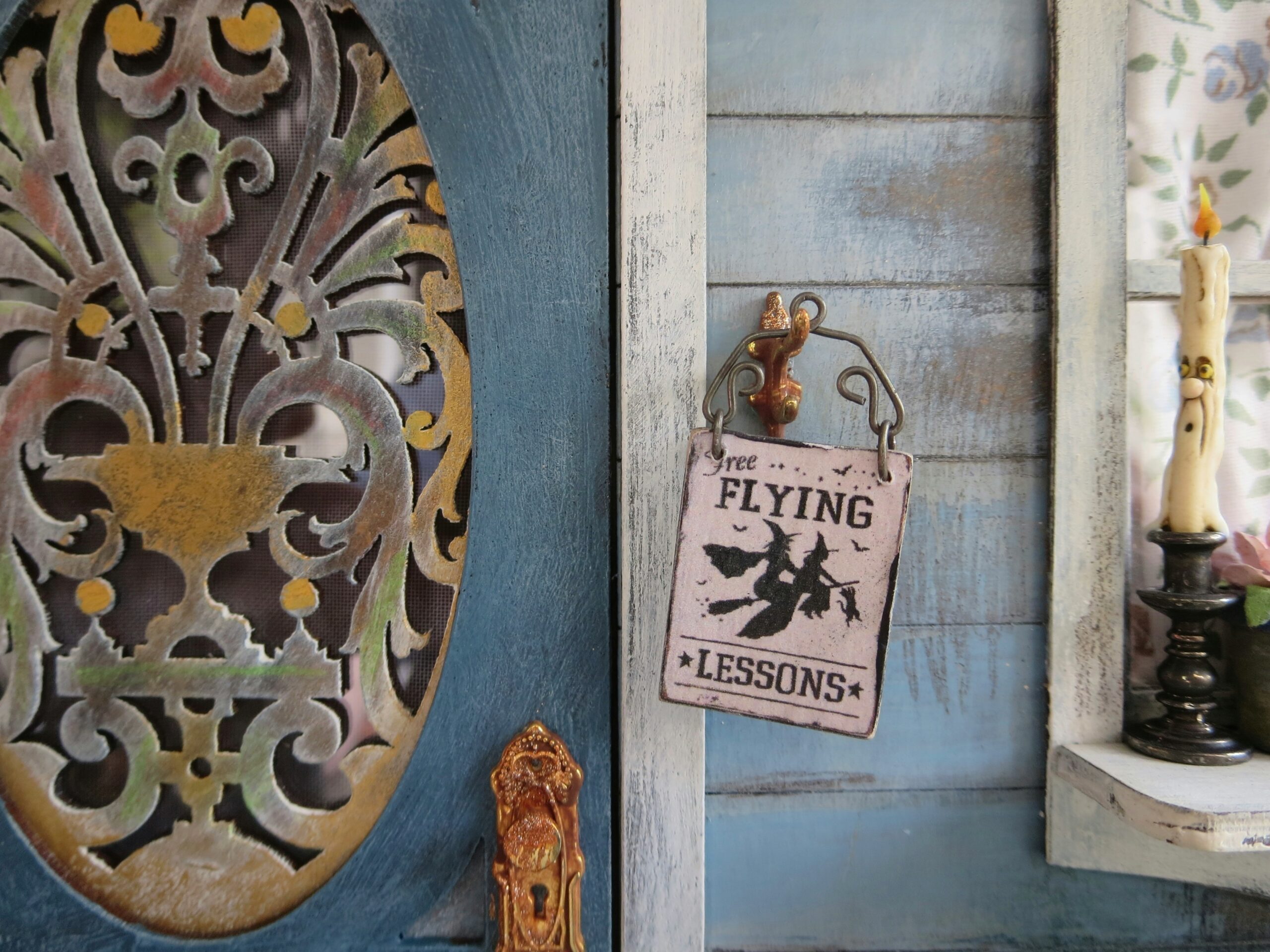
As autumn deepens, it can feel natural to turn toward home, memory, and the things we want to carry into winter. Samhain offers one way to mark that transition. Your observance can be thoughtful without being elaborate: a familiar meal, a remembered story, and a few quiet minutes can be enough.
What Is Samhain?
Samhain is an Irish seasonal festival associated with the beginning of winter. The National Museum of Ireland places it on November 1, with celebrations traditionally taking place the evening before, Oíche Shamhna. Many contemporary witches and pagans observe Samhain around October 31 and November 1. The following practice is a modern suggestion, rather than a reconstruction of an ancient rite.
Historical Roots and Modern Observance
Irish traditions documented by the museum include seasonal foods, visiting in disguise, divination games, and beliefs about the dead returning home. These customs belong to a changing cultural history; they are not a single ritual preserved unchanged across the centuries.
For modern practitioners, Samhain may involve ancestor remembrance, reflection, or a seasonal altar. Some traditions call it a spiritual new year, but that interpretation is not universal. You can learn about the festival without adopting every belief associated with it. Read the National Museum of Ireland’s overview.
Seasonal Themes and Symbols
For this observance, choose symbols that help you pay attention. An apple might represent the season’s harvest. A photograph can invite a particular memory. An empty bowl might stand for what you are ready to receive. These are suggested meanings for your practice, not rules about what every object historically meant.
Leave room for complicated feelings. Remembrance can include gratitude, grief, or the choice to set a boundary around a painful story.
What You’ll Need
- A quiet place and about ten minutes.
- Paper and a pen.
- An optional photograph or meaningful object.
- An optional battery candle or safely placed candle.
You can use what you already own. Keep flame away from photographs, dry leaves, cloth, children, and animals; a battery light works just as well as a visual focus.
A Simple Observance
- Arrive. Sit comfortably and notice the room around you. Let your breathing settle naturally.
- Remember. Name someone, a place, or a chapter of life you want to acknowledge. Write one specific memory.
- Recognize what sustained you. Record something that helped you through this season, including your own effort.
- Choose what changes. Write one habit or obligation you want to reconsider. Name a practical next step, such as declining an unnecessary commitment.
- Close. Say, “I honor what has shaped me. I choose what I carry forward.” Put your notes away and extinguish any flame.
Make It Your Own
Share a family recipe, tell a story, or spend a few minutes looking through photographs. If ancestor remembrance is uncomfortable, focus on mentors, community, or the land where you live. You do not need to seek contact with spirits to mark the season meaningfully.
Reflection Prompts
- What deserves to be remembered accurately?
- What am I ready to stop carrying?
- What would help my home feel more supportive this winter?
Explore the Shop
If you would like a dedicated space for seasonal notes, browse our journals. Our altar supplies offer options for a personal seasonal display. Let your practice determine what is useful.

0 Comments